

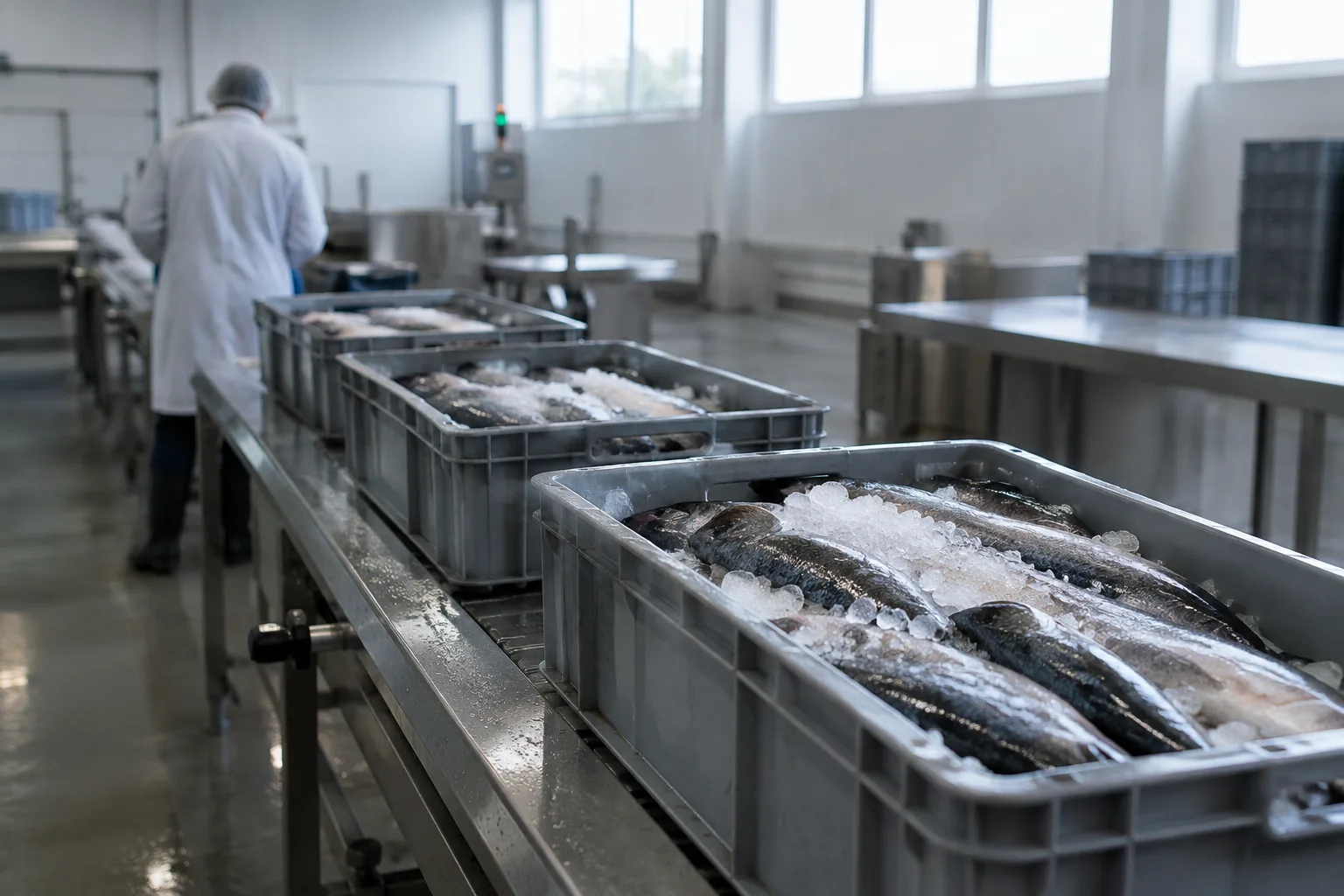
Each lot of fishery and aquaculture products will have to be uniquely identified and accompanied by origin information up to the retail sale stage. The Government approved the new requirements on 12 November 2026, according to the Ministry of Agriculture and Food Industry, to make it possible to track products throughout the supply chain.
What does this mean for you?
Businesses handling fishery and aquaculture products will have to ensure that each lot is uniquely identified. The required information must accompany the products from catch or harvest through to retail sale.
The required data include the species, origin, date of catch or harvest, lot number and quantity. Lots must also include information about the production method, presentation, producer’s name and contact details.
The regulation also establishes quality and food safety requirements for the products concerned. These include maintaining the cold chain during transport and storage.
How will the documents be checked?
Businesses will register the documents accompanying lots and submit them to the National Food Safety Agency (ANSA). Checks will assess whether the information in the fishing and sales documents matches the information on product labels in warehouses or processing facilities.
The documents concerned include the fishing logbook, catch certificate, landing or transshipment declarations, sales notes and take-over declarations. According to the Ministry, cross-checking this data against storage requirements will make it possible to verify both the legality of the products’ origin and the conditions under which they are marketed.
What is known about the implementation of the new rules?
The regulation on specific traceability requirements for fishery and aquaculture products was drafted by the Ministry of Agriculture and Food Industry. The Ministry says the document aligns national legislation with European Union rules on the official control of these products.
The Ministry identifies preventing products derived from illegal, unreported or unregulated fishing from entering the market as one of the aims of the new requirements. The information published by the institution does not specify when the regulation will take effect.
Sources
- Ministerul Agriculturii și Industriei Alimentare — Produsele pescărești și de acvacultură, supuse unor noi cerințe de trasabilitate
Written with AI assistance from the official sources above and checked by the editors.
What we checked (10 claims and their sources)
Every figure, date and name in the article, with the official source it comes from (in Romanian). The check against sources is automatic, before editor approval.
- Guvernul a aprobat pe 12 noiembrie 2026 Regulamentul cu privire la cerințele specifice de trasabilitate a produselor pescărești și de acvacultură. — Ministerul Agriculturii și Industriei Alimentare
- Regulamentul a fost elaborat de Ministerul Agriculturii și Industriei Alimentare. — Ministerul Agriculturii și Industriei Alimentare
- Fiecare lot trebuie identificat unic și însoțit de informații obligatorii de la captură sau recoltare până la vânzarea cu amănuntul. — Ministerul Agriculturii și Industriei Alimentare
- Informațiile obligatorii includ specia, originea, data capturării sau recoltării, numărul lotului, cantitatea, metoda de producție, modul de prezentare, denumirea producătorului și datele de contact. — Ministerul Agriculturii și Industriei Alimentare
- Operatorii economici înregistrează documentele însoțitoare ale loturilor și le transmit Agenției Naționale pentru Siguranța Alimentelor. — Ministerul Agriculturii și Industriei Alimentare
- Verificarea vizează concordanța dintre jurnalul de pescuit, certificatul de captură, declarațiile de debarcare sau transbordare, notele de vânzare, declarațiile de primire și informațiile de pe etichete. — Ministerul Agriculturii și Industriei Alimentare
- Regulamentul include cerințe privind calitatea și siguranța alimentară, inclusiv menținerea lanțului frigorific în timpul transportului și depozitării. — Ministerul Agriculturii și Industriei Alimentare
- Potrivit ministerului, regulamentul aliniază legislația națională la normele Uniunii Europene privind controlul oficial al produselor pescărești și de acvacultură. — Ministerul Agriculturii și Industriei Alimentare
- Ministerul indică prevenirea introducerii pe piață a produselor provenite din pescuit ilegal, nedeclarat sau nereglementat drept obiectiv al cerințelor. — Ministerul Agriculturii și Industriei Alimentare
- Informația publicată de minister nu precizează data intrării în vigoare a regulamentului. — Ministerul Agriculturii și Industriei Alimentare
Newsletter
Moldova, in your inbox
The stories that matter, every morning, in a single email. You choose what you get and in which language.
- Free
- No spam
- One-click unsubscribe