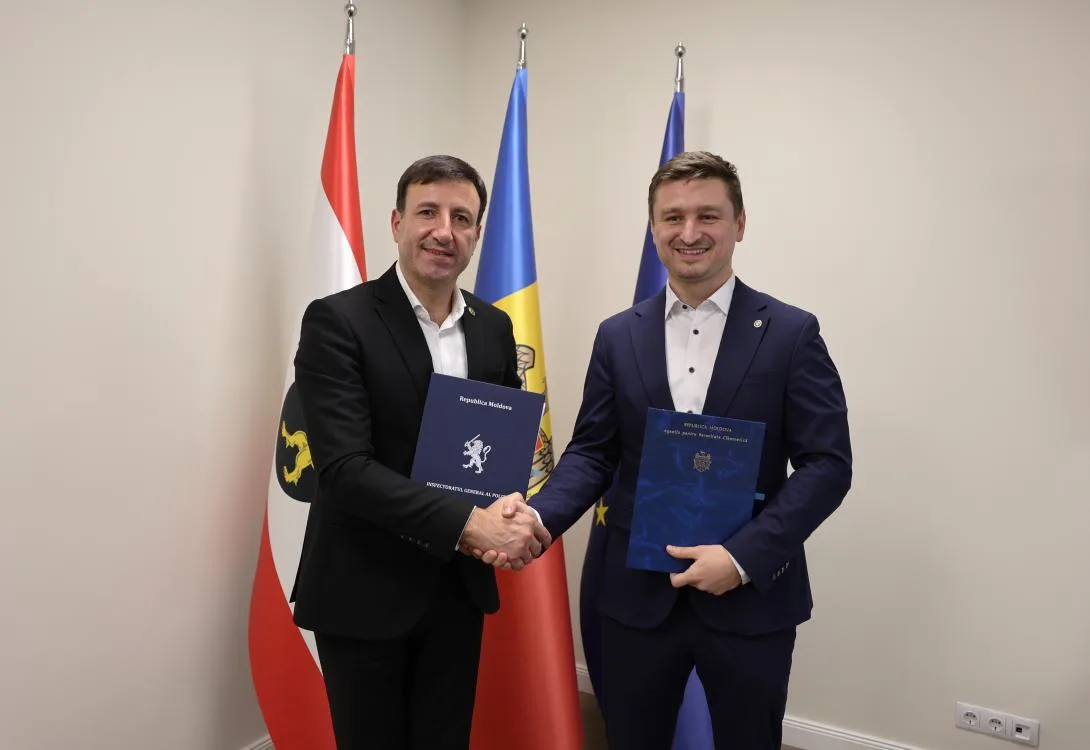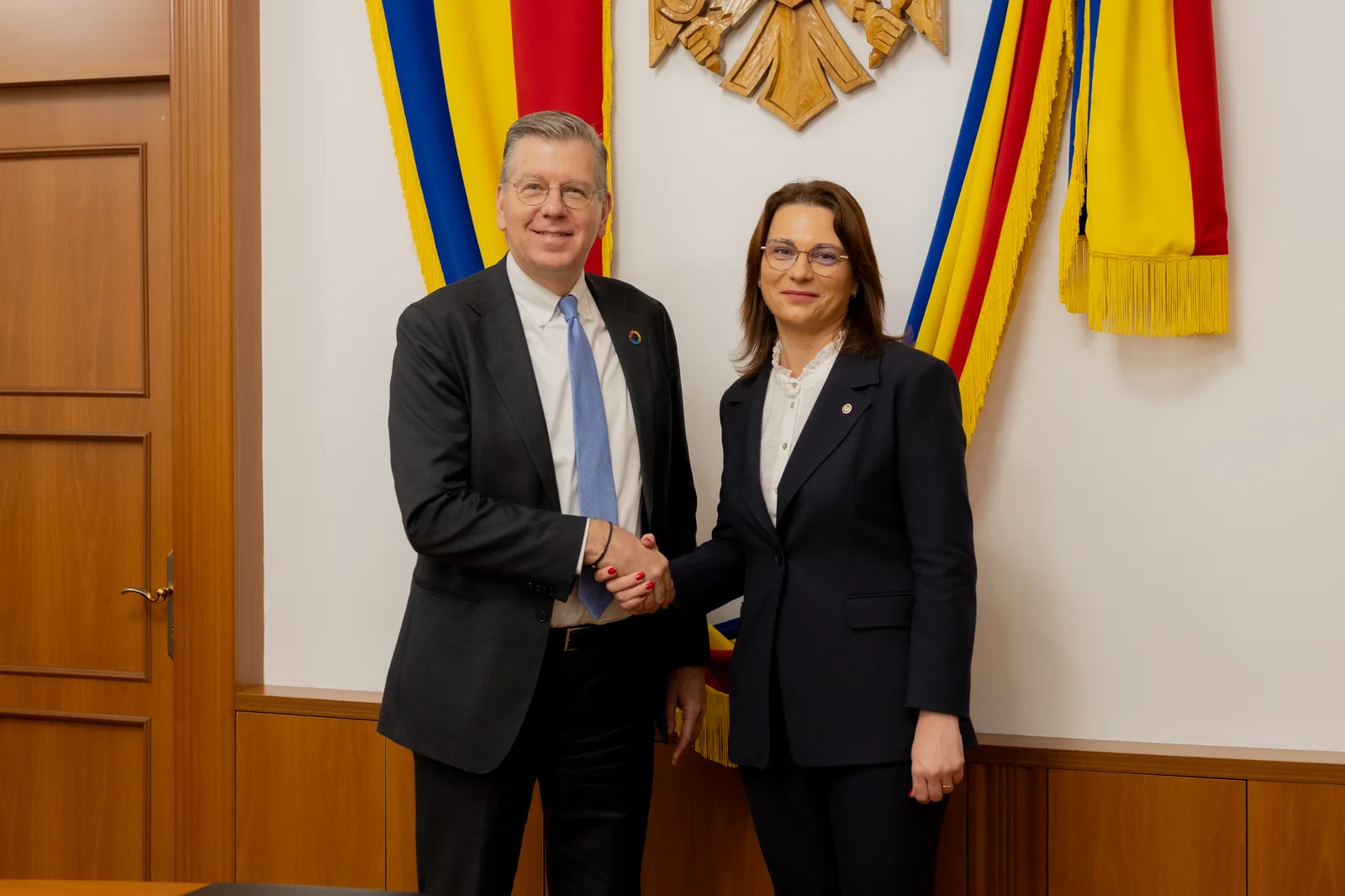

The exchange of classified information between the Republic of Moldova and the North Atlantic Treaty Organization (NATO) is governed by a common security framework set out in an administrative arrangement signed in Brussels on 19 November 2026. According to the Ministry of Foreign Affairs (MFA), the document establishes procedures for access, transmission and protection, as well as mechanisms for investigating incidents.
What does the document regulate?
The Administrative Arrangement on the Protection of Classified Information covers both the secure exchange of information between the Republic of Moldova and NATO and its management and protection. The common rules concern access to this information, how it is transmitted and the protection measures in place.
The document sets out the responsibilities of the competent authorities and includes mechanisms for cooperation in the event of security incidents. The investigation of such incidents is also covered by the framework agreed by the 2 parties.
Who signed the arrangement?
Alexandru Musteața, Director of the Information and Security Service of the Republic of Moldova, signed the document alongside Galen J. Nace, Director of the NATO Office of Security. It was signed in Brussels on 19 November 2026.
The MFA describes the arrangement as the legal framework required for the exchange and protection of classified information between the parties. According to the ministry, the document also contributes to achieving the objectives of the Republic of Moldova–NATO Individual Partnership Programme for 2025–2028.
Which agreement does it implement?
According to the MFA, the arrangement implements the Security Agreement between the Government of the Republic of Moldova and NATO, signed in Brussels on 28 October 1994. The instruments provided for this purpose are common mechanisms and procedures for protecting classified information.
Sources
- Ministerul Afacerilor Externe — Republica Moldova și NATO consolidează cooperarea în domeniul protecției informațiilor clasificate
Written with AI assistance from the official sources above and checked by the editors.
What we checked (7 claims and their sources)
Every figure, date and name in the article, with the official source it comes from (in Romanian). Each claim is checked against its source automatically, then an editor approves the article.
- Aranjamentul administrativ privind protecția informațiilor clasificate a fost semnat de Republica Moldova și NATO la Bruxelles pe 19 noiembrie 2026. — Ministerul Afacerilor Externe
- NATO este Organizația Tratatului Atlanticului de Nord. — Ministerul Afacerilor Externe
- Alexandru Musteața, directorul Serviciului de Informații și Securitate al Republicii Moldova, a semnat aranjamentul. — Ministerul Afacerilor Externe
- Galen J. Nace, directorul Oficiului de Securitate al NATO, a semnat aranjamentul. — Ministerul Afacerilor Externe
- Aranjamentul stabilește standarde și proceduri comune pentru accesul, transmiterea și protecția informațiilor clasificate, responsabilitățile autorităților și mecanisme de cooperare și investigare a incidentelor de securitate. — Ministerul Afacerilor Externe
- Potrivit MAE, aranjamentul contribuie la obiectivele Programului individual al Parteneriatului Republica Moldova–NATO pentru anii 2025–2028. — Ministerul Afacerilor Externe
- Aranjamentul asigură implementarea Acordului de securitate dintre Guvernul Republicii Moldova și NATO, semnat la Bruxelles pe 28 octombrie 1994. — Ministerul Afacerilor Externe
Newsletter
Moldova, in your inbox
The stories that matter, every morning, in a single email. You choose what you get and in which language.
- Free
- No spam
- One-click unsubscribe