The status of the reforms undertaken by the Republic of Moldova and of European funding will be discussed on 5 November at a joint meeting of the European Parliament’s committees on foreign affairs and budgets. The discussion concerns the mechanism through which the European Union is making up to €1.9 billion available to the country for 2025–2027, with payments conditional on meeting the commitments agreed with Chișinău.
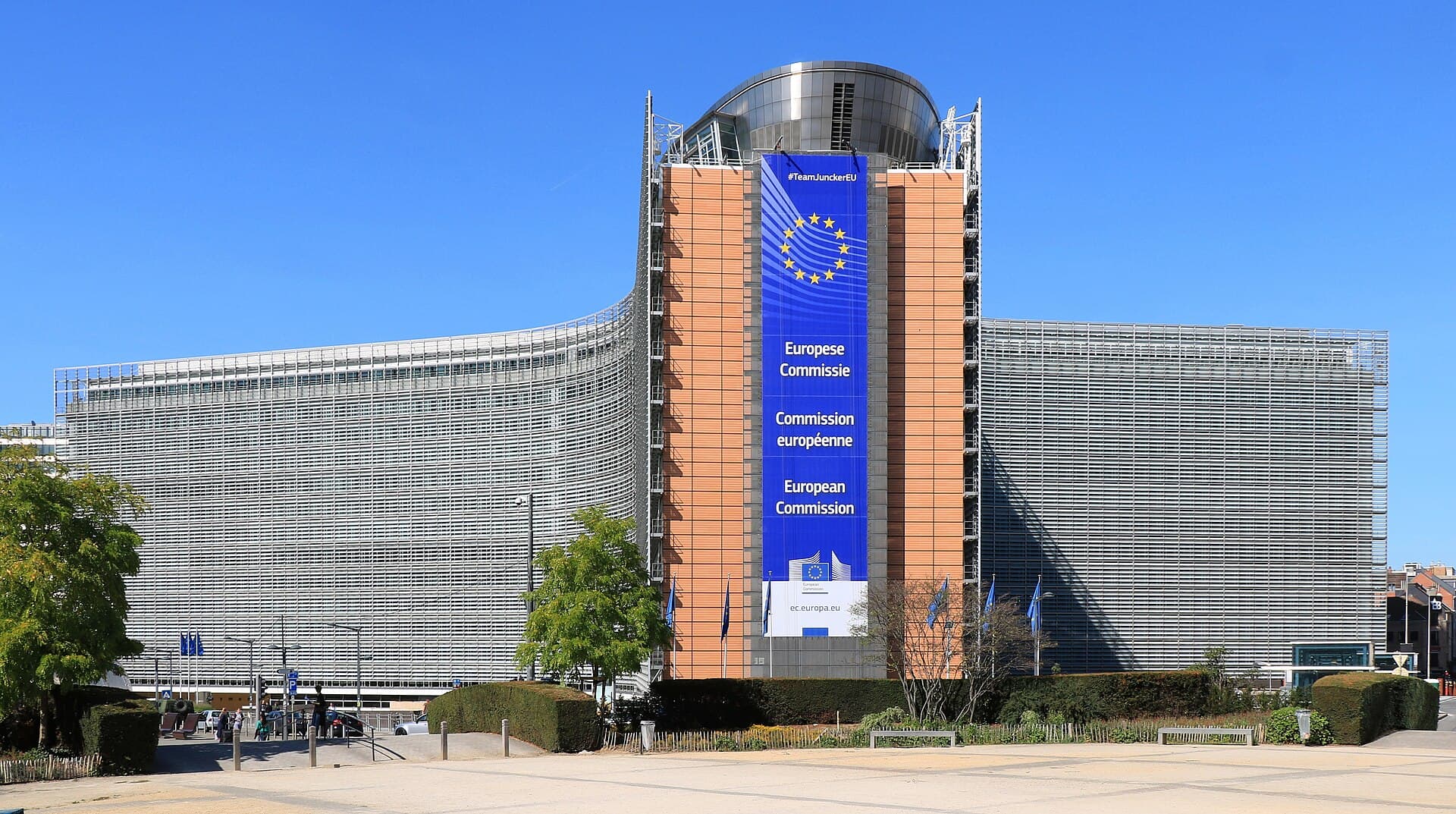
According to an announcement by the European Parliament, the AFET and BUDG committees will hold the third dialogue on the Reform and Growth Facility for the Republic of Moldova. Gert Jan Koopman, Director-General of the European Commission’s Directorate-General for Enlargement and Eastern Neighbourhood (DG ENEST), will present the status of reforms and payments and answer questions from MEPs. The same meeting will also include discussions on similar instruments for the Western Balkans (the fifth) and Ukraine (the sixth). The meeting will be streamed live.
The discussion has a concrete financial stake. The programme establishes a direct link between the reforms implemented by the Moldovan authorities and the amounts the European Commission can release. Every completed milestone matters for accessing funding, while delays may reduce the value of payments.
The package, definitively approved by the Council of the EU on 18 March 2025, is the largest European financial support granted to the Republic of Moldova since independence. The structure announced by the Council includes up to €385 million in grants and €1.5 billion in loans with long repayment periods and favourable interest rates. A substantial portion of the funding therefore entails repayment obligations for the state.
What determines access to the funds
The European Commission verifies whether commitments have been met before authorising payments. The assessment covers both the specific measures in the Reform Agenda and compliance with democratic principles, macro-financial stability and transparent management of public finances. If the requirements are not met, the corresponding amounts may be suspended or deducted from the payment.
According to the European Commission, the Republic of Moldova has so far received approximately €661 million from the facility. The latest tranche, of €157 million, was paid on 5 October 2026, after 18 reforms had been completed. The figure indicates funding paid under the mechanism. It does not, in itself, show the value of completed projects or expenditure made for the benefit of citizens.
56 reforms and 153 measures
The Agenda approved by the Government comprises 56 reforms and 153 measures, grouped under seven pillars. These cover economic competitiveness and the private sector, connectivity and digital infrastructure, economic governance, social capital, the green transition, energy security and fundamental values.
For businesses, the document includes objectives relating to access to finance, digitalisation and infrastructure development. In the public sector, the commitments concern institutional efficiency, transparency and strengthening the rule of law. These areas define the scope of the programme, while results must be tracked against the measures and deadlines set by the authorities.
In Chișinău, the focus is on measures due in December
The Brussels meeting follows a discussion held at the Government with representatives of civil society and the business community. In an update published on 21 October, the Ministry of Finance presented progress on Reform Agenda measures due for completion in December 2026.
Among the topics discussed were proposed amendments, developed together with the National Bank of Moldova, concerning the operations of credit history bureaus. They are intended to expand the information reported and make it easier for individuals and small and medium-sized enterprises to access their own credit histories.
The Ministry also reported progress in digitising some tax services, including the electronic issuance of certain permits and certificates. Participants from civil society and the business community were able to ask questions and discuss implementation difficulties.
In this context, the presentation on 5 November may provide clarification on the reforms validated by the Commission, the status of payments and the commitments that remain to be met. For the public in the Republic of Moldova, this is the information that shows how the announced financial package is moving towards the programme’s actual implementation.
Sources
- Parlamentul European — Reuniunea comună AFET–BUDG din 5 noiembrie 2026: dialogul privind Facilitatea de Reformă și Creștere pentru Moldova
- Consiliul UE — Consiliul UE aprobă definitiv sprijinul de aproape 2 miliarde de euro pentru reformele Republicii Moldova
- Comisia Europeană — UE anunță plata tranșei de 157 de milioane de euro către Republica Moldova
- Guvernul Republicii Moldova — Guvernul a aprobat Agenda de reforme pentru anii 2025–2027
- Ministerul Finanțelor — Implementarea Planului de creștere pentru Moldova, discutată cu societatea civilă și mediul de afaceri
Newsletter
Moldova, in your inbox
The stories that matter, every morning, in a single email. You choose what you get and in which language.
- Free
- No spam
- One-click unsubscribe