Radioactive waste inherited from the Soviet period is to be moved to a new repository in the Republic of Moldova, construction of which is scheduled for completion in 2027. On 29 October 2026, the General Inspectorate for Emergency Situations (IGSU) presented an update on the project, funded by the European Union and Sweden, with co-financing from the state budget.
In brief
Work on the new interim radioactive waste repository began in August 2026 at the site of the national operator.
The monitoring system planned under the project will continuously measure radiation levels at the site and in the surrounding area.
The European Commission is reviewing the proposal for the post-2027 phase, which includes transferring the waste and decommissioning the old facility.
What will the new repository change?
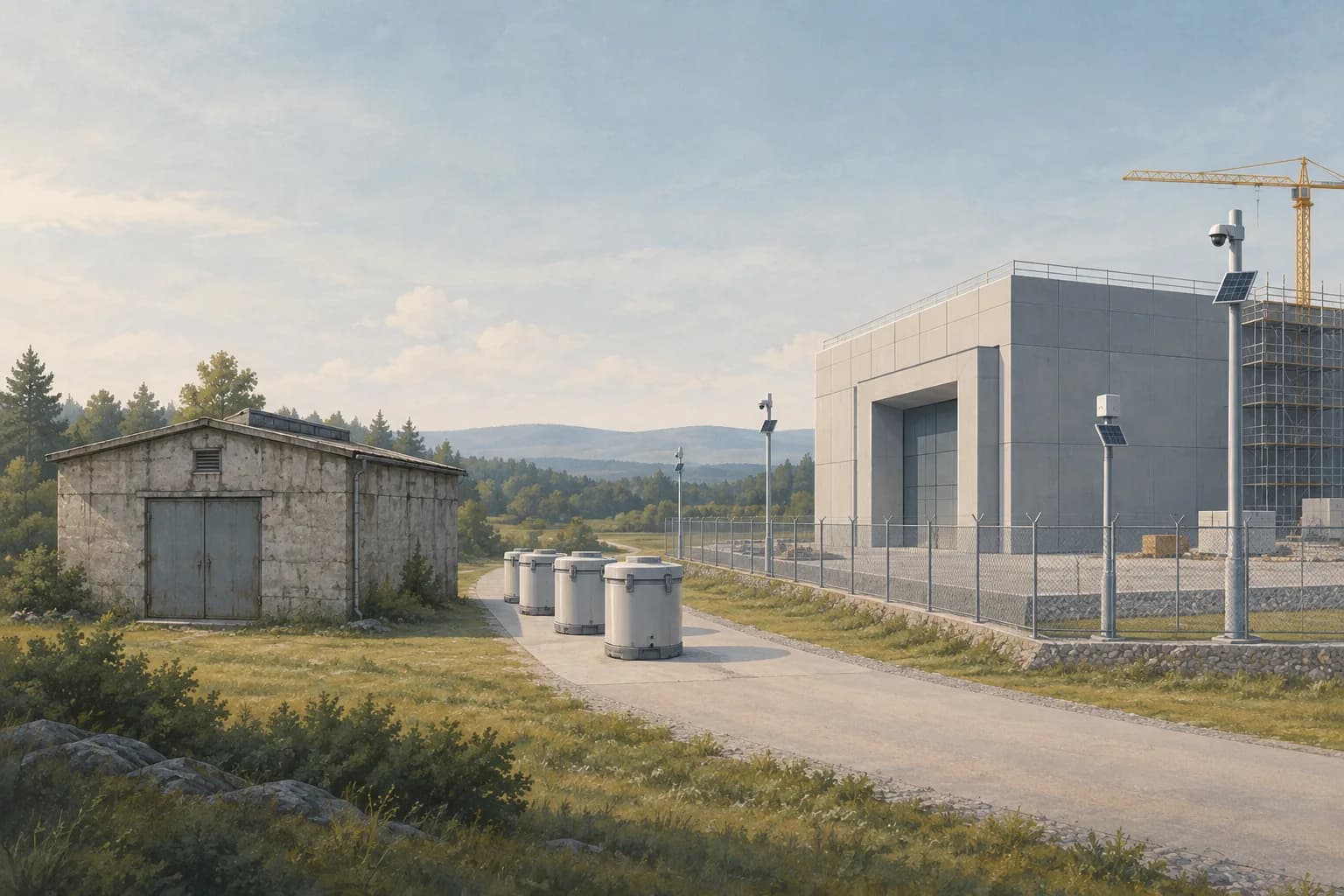
The new interim repository is intended for radioactive waste from medicine, industry, agriculture and research. The waste is currently stored in a facility built in the 1960s, according to IGSU.
Construction began in August 2026 at the national operator’s site. According to the institution, the new facility will allow the waste to be stored in compliance with European standards after it is transferred from the old facility.
How will radiation levels be monitored?
The project includes a radiological monitoring system for the entire site. Measurements will be taken continuously, both within the site and in the surrounding area.
Data on radiation levels will be available in real time to the operator and the regulatory authority. Installing this system and constructing the repository are the main components of the project presented by IGSU.
What remains to be funded after construction?
The transfer of the waste and decommissioning of the old facility are part of a cooperation phase proposed to the European Union for the period after 2027. The proposal also includes strengthening national capacity to manage radioactive waste.
The European Commission is reviewing the proposal for the 2027 funding programme, according to IGSU. Sweden has expressed its intention to continue providing support, but the source does not announce approval of funding for this phase.
Which document is to be submitted for public consultation?
The draft National Programme for Radioactive Waste Management for 2027–2031 has been completed with support from Sweden. The document is to be submitted for public consultation, and government approval is expected in early 2027.
The programme is being prepared to ensure continuity after the National Strategy for Radioactive Waste Management for 2017–2026 expires. Separately, technical meetings included a workshop on the geological investigations required for a future final disposal solution.
Sources
- Inspectoratul General pentru Situații de Urgență — Republica Moldova construiește, cu sprijinul Uniunii Europene și al Suediei, un depozit modern pentru deșeurile radioactive moștenite din perioada sovietică
Written with AI assistance from the official sources above; facts were automatically checked against the sources.
Newsletter
Moldova, in your inbox
The stories that matter, every morning, in a single email. You choose what you get and in which language.
- Free
- No spam
- One-click unsubscribe